- Komodo dragons thrive in dry savannas and scrub forests.
- The population is estimated at around 5,700 individuals.
- Best time to visit for sightings is during the dry season, April to December.
Understanding the Komodo Dragon Habitat
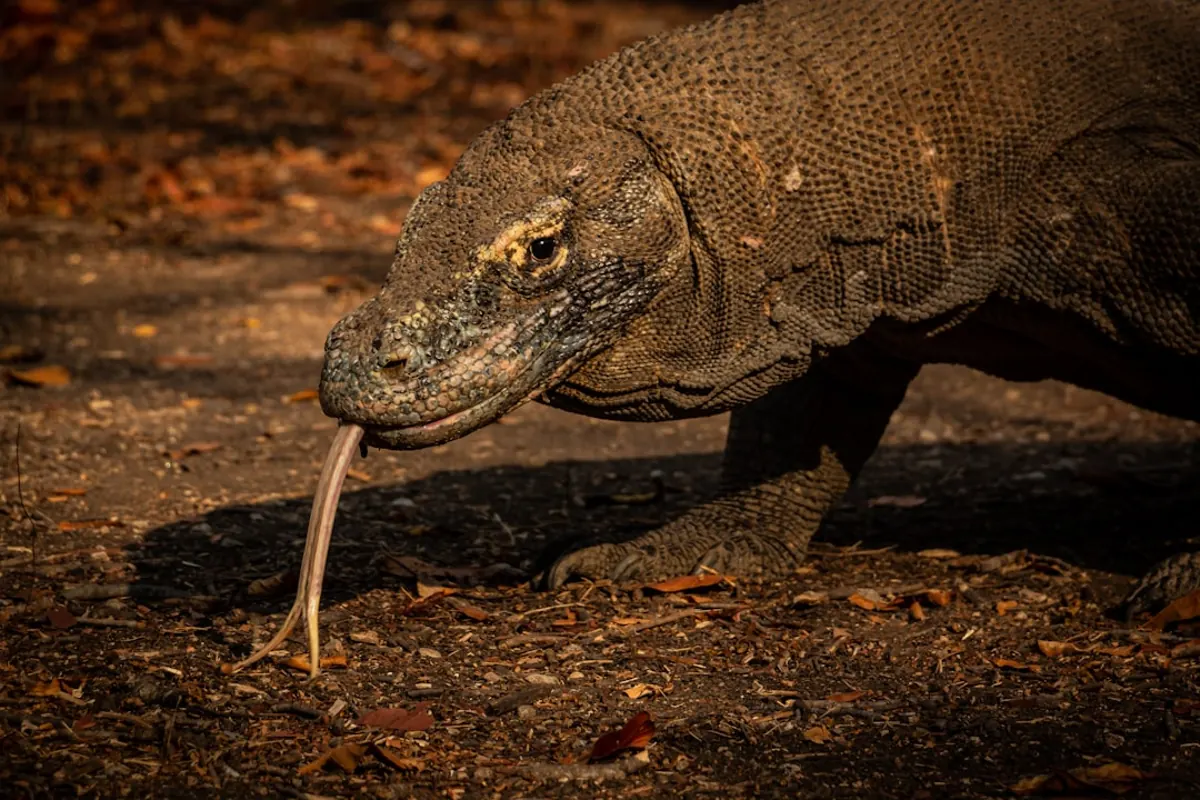
Komodo dragons (Varanus komodoensis) are the largest living lizards in the world, and their habitat is crucial for their survival. Found only on a few islands in Indonesia, primarily Komodo and Rinca, these remarkable creatures inhabit a variety of ecological zones that support their predatory lifestyle.
Geographical Overview
Komodo National Park encompasses three major islands: Komodo, Rinca, and Padar, along with numerous smaller islands. The park was established in 1980 to protect the unique fauna and flora of the region, especially the Komodo dragon.
– Area: The park covers approximately 1,733 square kilometers of land and sea.
– Islands: Komodo Island is about 390 square kilometers, while Rinca Island is around 190 square kilometers.
The combination of marine and terrestrial ecosystems makes this area a biodiversity hotspot.
Climate and Topography
The climate of Komodo and Rinca Islands is classified as tropical, with a distinct dry season from April to December and a wet season from January to March. This climate plays a vital role in shaping the habitat of the Komodo dragon.
– Temperature: Average temperatures range from 23°C to 36°C (73°F to 97°F).
– Rainfall: The average annual rainfall is about 1,000 mm, primarily occurring in the wet season.
The islands feature rugged, hilly terrain with dry savanna and scrub forests in lower elevations, providing the perfect environment for these reptiles.
Habitat Characteristics
Komodo dragons predominantly inhabit dry savanna and open forest areas. Their habitat is characterized by:
– Vegetation: Dominated by grasses, shrubs, and sparse trees that support their hunting activities.
– Burrows and Shelters: Komodo dragons utilize burrows and rock crevices for shelter and thermoregulation.
– Prey Availability: The presence of prey species like deer, wild boar, and smaller reptiles is critical for their survival.
These habitat characteristics enable Komodo dragons to thrive in their natural environment.
Flora and Fauna of Komodo and Rinca Islands
The islands support a rich diversity of life, including various species of birds, mammals, and marine life. The flora includes several endemic plant species that have adapted to the dry climate.
– Flora: Notable species include the Komodo dragon’s favorite prey, wild deer (Cervus timorensis), and various shrubs that provide cover.
– Fauna: Other wildlife includes the orange-footed scrub fowl, Timor deer, and various reptiles, contributing to the ecosystem’s balance.
Conservation efforts are in place to protect these species and their habitats, ensuring the survival of the Komodo dragon.
Conservation Efforts
The Komodo dragon is listed as vulnerable by the International Union for Conservation of Nature (IUCN). The primary threats to their habitat include poaching, habitat loss, and climate change. Conservation efforts are vital in protecting both the dragons and their environment.
– Protected Areas: Komodo National Park is a UNESCO World Heritage Site and is protected under Indonesian law.
– Monitoring: Regular monitoring of the Komodo dragon population helps track health and sustainability.
– Community Involvement: Local communities are involved in conservation through eco-tourism, which provides economic benefits while promoting awareness.
These efforts are essential for maintaining the delicate balance of the ecosystem.
Visiting Komodo and Rinca Islands
For those interested in observing Komodo dragons in their natural habitat, planning a visit to Komodo and Rinca Islands is essential. Here are some details to consider:
– Best Time to Visit: The dry season (April to December) is ideal for sightings, with the highest chances during the months of June to September.
– Access: The islands can be reached via Labuan Bajo, a town on Flores Island, which serves as the primary gateway to Komodo National Park.
– Guided Tours: Various guided tours are available, ranging from day trips to liveaboard experiences, ensuring safe and informative encounters with the dragons.
Ensure you choose eco-friendly tour operators to support sustainable tourism practices.
Practical Information for Travelers
When planning your visit to Komodo and Rinca Islands, keep the following in mind:
– Entrance Fees: The park entrance fee is approximately IDR 150,000 (about $10) for adults, with additional fees for guided tours.
– Accommodations: Options range from budget hostels to luxury resorts in Labuan Bajo, catering to different preferences and budgets.
– Health Precautions: Travelers should consider vaccinations and carry insect repellent due to the tropical climate.
Research will enhance your experience and ensure a respectful visit to this unique habitat.
Visiting Komodo and Rinca Islands: What You Need to Know
When visiting the Komodo dragon habitat on Komodo and Rinca Islands, be sure to explore the guided tours that offer a close look at these unique creatures in their natural surroundings. Local guides are well-versed in the behavior of these ancient reptiles, ensuring both your safety and an enriching experience. For more information on planning your adventure in Komodo National Park, including diving spots and snorkeling experiences, visit our check what’s included section. Discover the beauty of this unique ecosystem and the awe-inspiring creatures that inhabit it.
Planning specifics? See komodo Guide Pricing & Cost Guide or Komodo Guide.