- Optimal diving and snorkeling conditions occur from May to October.
- The Komodo dragons are most visible in the cooler months of April and May.
- Liveaboard tours are plentiful with calmer seas between June and August.
The air is thick with anticipation as the sun dips behind the rugged landscapes of Komodo National Park. Here, on the islands of Komodo and Rinca, time dances to the rhythm of the tides and the call of the wild.
April to June: The Awakening of the Dragon
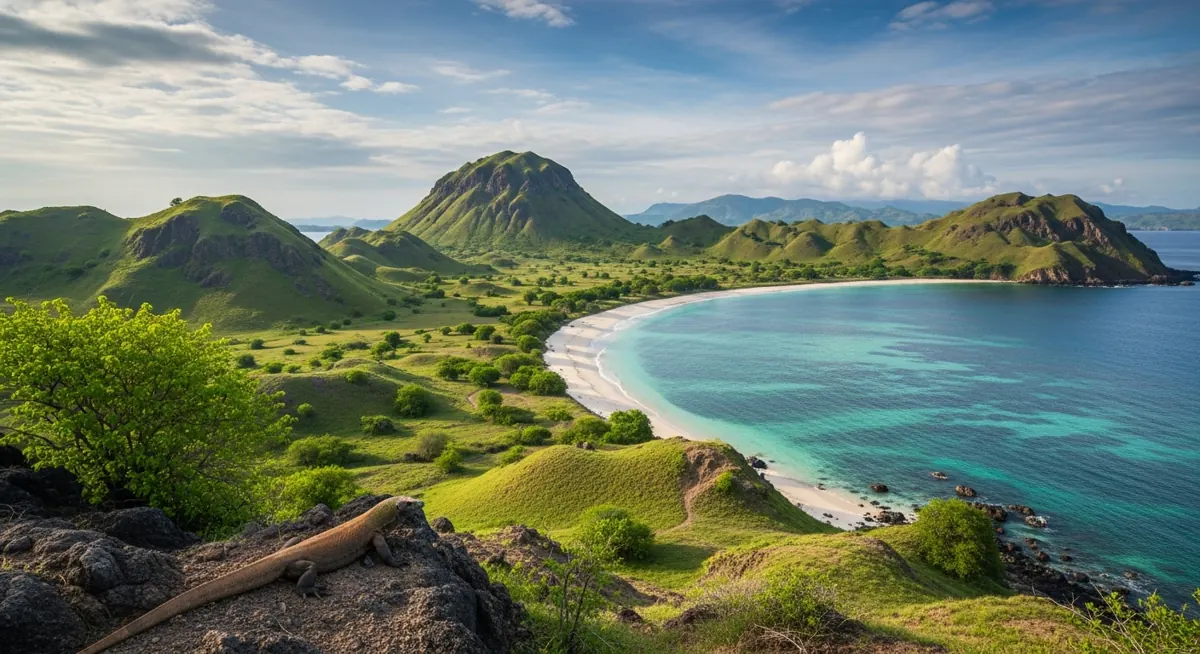
As April arrives, Komodo National Park sheds its rainy cloak. This period marks the beginning of the dry season, with temperatures averaging 27 degrees Celsius (80 degrees Fahrenheit). Komodo dragons, the park’s most iconic residents, are particularly active during these cooler months. Sightings are frequent on the islands of Komodo and Rinca, where dragons bask in the sun. For those keen on diving, this is the start of the prime window. The waters are clear, with visibility reaching up to 30 meters (98 feet), offering a glimpse into the vibrant marine life. Flores, the gateway to this natural wonder, sees a gradual increase in visitors, with Labuan Bajo serving as the bustling transit town.
July to September: Diving into the Blue
July heralds peak tourist season in Komodo National Park, drawing divers from across the globe. The seas are calm, making this the ideal time for liveaboard tours. Divers can explore renowned sites like Batu Bolong and Tatawa Kecil, witnessing the spectacle of manta rays gliding through the currents. Water temperatures hover around 28 degrees Celsius (82 degrees Fahrenheit), perfect for extended dives. The park, a UNESCO World Heritage Site since 1991, thrives with activity, balancing conservation with adventure. Prices for liveaboard tours range from $200 to $300 per night, reflecting the surge in demand.
October to December: A Tranquil Retreat
As the crowds thin, October ushers in a quieter period. The allure of Komodo dragons remains, albeit with fewer onlookers. This transition from peak season offers a peaceful retreat for those seeking solitude. Diving conditions remain favorable, with visibility around 20 meters (65 feet), and water temperatures consistent with previous months. The island of Padar, with its panoramic views, becomes a canvas for photographers capturing the melding of land and sea. Rinca Island, another key habitat for the dragons, presents a more subdued experience, allowing for intimate encounters with these prehistoric creatures.
January to March: Navigating the Monsoon
The monsoon season, spanning January to March, brings a dramatic shift to Komodo National Park. Heavy rains and strong winds characterize this period, with temperatures remaining around 30 degrees Celsius (86 degrees Fahrenheit). While diving and snorkeling activities are limited, the park takes on a lush appearance, with vibrant greens dominating the landscape. Rainfall averages 300 mm (11.8 inches) per month, which can affect accessibility to certain areas. For those undeterred by the weather, this is a time to witness the park’s raw, untamed beauty. However, it’s crucial to consult with local operators regarding tour availability and safety.
Exploring Underwater Marvels
Diving enthusiasts will find Komodo National Park a wealth of underwater experiences. From the vibrant coral gardens at Tatawa Besar to the thrilling drift dives at The Cauldron, each site offers something unique. Cape Kri, known for its diverse marine life, offers divers a chance to encounter everything from reef sharks to the elusive pygmy seahorse. Blue Magic, another renowned site, is famous for its cleaning stations where manta rays gather. Manta Sandy, true to its name, provides divers with opportunities to witness these gentle giants in their natural habitat.
Liveaboard Options: Choosing Your Vessel
When it comes to exploring Komodo National Park, liveaboard trips provide an unparalleled experience. These vessels range from traditional phinisi boats to luxury yachts, ensuring options for various budgets and preferences. A typical liveaboard trip lasts between 4 to 7 days, with itineraries covering major dive sites and island excursions. Boats like the Alila Purnama and the Seven Seas offer premium experiences, complete with ensuite cabins, gourmet dining, and knowledgeable guides. For those seeking a more intimate experience, smaller vessels like the Damai I cater to fewer guests, ensuring personalized service.
Day Trips vs. Liveaboard: A Comparative Guide
Choosing between a day trip and a liveaboard experience in Komodo National Park depends on several factors. Day trips from Labuan Bajo are ideal for travelers short on time or budget. These excursions typically visit the closer islands and offer snorkeling and trekking opportunities. Prices range from $50 to $100 per person, covering park fees and basic amenities.
Conversely, liveaboard trips provide a comprehensive exploration of the park. They allow access to remote dive sites and offer a deeper connection with the marine environment. While more expensive, averaging $200 to $300 per night, the immersive experience is often considered worth the investment. Travelers should weigh their priorities—whether it’s to maximize dive opportunities or to experience the park’s highlights in a limited timeframe.
Komodo’s Conservation Efforts
As a protected area, Komodo National Park plays a crucial role in conservation. The park’s management collaborates with international organizations to preserve both terrestrial and marine ecosystems. Visitors contribute to these efforts through park fees, which fund conservation projects and local community initiatives. Recent efforts focus on sustainable tourism practices, ensuring that the park remains a viable habitat for its unique wildlife. The balance between tourism and conservation is delicate, but essential for the park’s future.
Adventure Awaits: Plan Your Komodo Escape
Understanding the seasonal nuances of Komodo National Park is essential for crafting the perfect itinerary. Whether it’s the thrill of diving with manta rays or the awe of encountering Komodo dragons, timing is everything. Plan your visit with KomodoGuide, your trusted resource for all things Komodo. Explore our detailed guides and ensure your adventure aligns with nature’s calendar. Visit our homepage for more insights or dive deeper into our blog for insider tips. The wonders of Komodo await, ready to be discovered.
Planning specifics? See full pricing guide or booking details.