- Designated as a UNESCO World Heritage Site in 1991.
- Home to over 5,700 Komodo dragons, the largest lizards on Earth.
- Important for marine conservation, featuring vibrant coral reefs and diverse marine life.
Overview of Komodo National Park
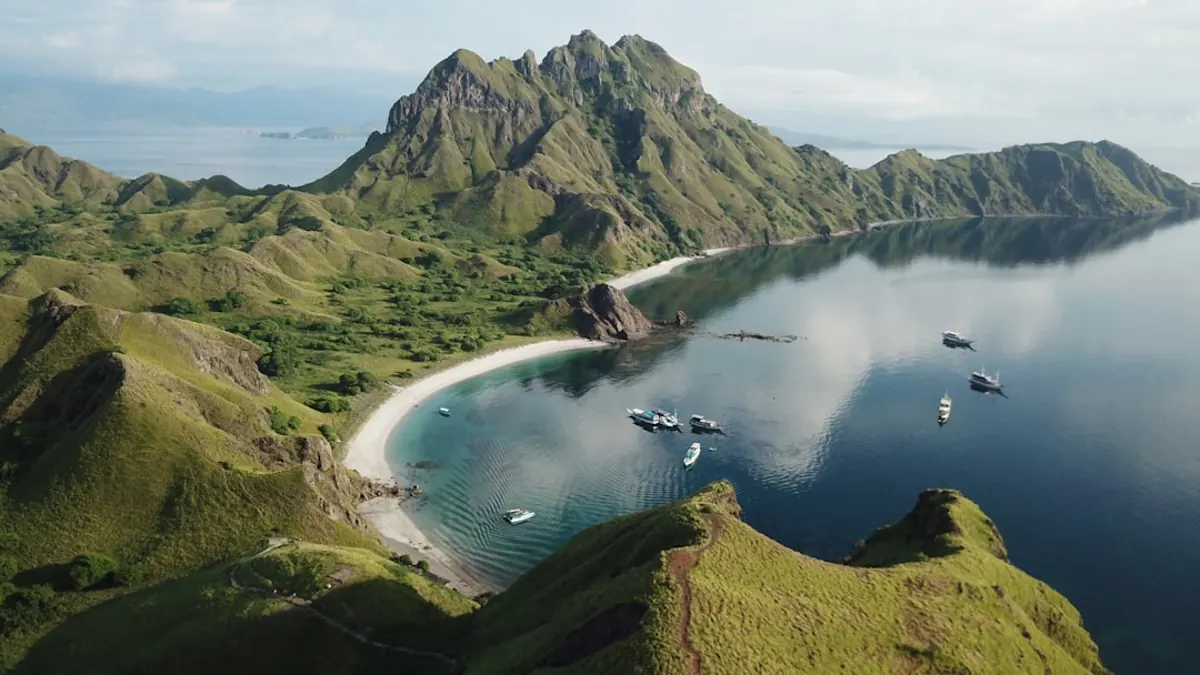
Komodo National Park, located in the Indonesian archipelago between the islands of Sumbawa and Flores, is renowned for its unique biodiversity and the iconic Komodo dragon (Varanus komodoensis). The park spans approximately 1,733 square kilometers (670 square miles) and includes the islands of Komodo, Rinca, Padar, and several smaller islands. It is celebrated for its diverse ecosystems, comprising lush forests, savannahs, and rich marine habitats.
Establishment of Komodo National Park
The history of Komodo National Park is closely tied to efforts to conserve the Komodo dragon, a species that faced extinction due to hunting and habitat loss. In 1980, the Indonesian government established the park to protect the unique fauna and flora of the region. The primary aim was to create a sanctuary for the Komodo dragon, which is endemic to the islands of Komodo and Rinca.
In 1991, Komodo National Park was designated a UNESCO World Heritage Site, recognizing its outstanding universal value for biodiversity conservation. The park is not only vital for the survival of the Komodo dragon but also serves as a critical habitat for numerous other species, including deer, wild boar, and various bird species.
Legal Framework and Conservation Efforts
The legal framework for protecting Komodo National Park is anchored in Indonesian law. The park is managed by the Directorate General of Natural Resources and Ecosystem Conservation under the Ministry of Environment and Forestry. The management plan prioritizes conservation and sustainable tourism, balancing ecological preservation with economic development for local communities.
Various conservation initiatives have been implemented to protect the Komodo dragon and its habitat. These include anti-poaching patrols, habitat restoration projects, and community engagement programs aimed at educating locals about the importance of preserving their natural heritage. Collaborative efforts with international conservation organizations have also played a significant role in funding and supporting these initiatives.
Challenges and Threats
Despite ongoing conservation efforts, Komodo National Park faces several challenges and threats.
- Climate Change: Rising sea levels and increasing temperatures pose risks to the fragile ecosystems within the park.
- Poaching: Illegal hunting of Komodo dragons and other wildlife remains a concern, driven by the demand for exotic pets and traditional medicine.
- Habitat Loss: Land conversion for agriculture and tourism development threatens the natural habitats of both the Komodo dragon and other wildlife.
The park’s management continues to adapt to these challenges through research, monitoring, and community involvement. Programs aimed at sustainable tourism help ensure that visitors contribute positively to the local economy without compromising the integrity of the park’s ecosystems.
Marine Conservation in Komodo National Park
In addition to protecting the Komodo dragon, Komodo National Park is also crucial for marine biodiversity. The park encompasses a marine area of approximately 603 square kilometers (233 square miles), featuring rich coral reefs and diverse marine life. This marine environment is home to over 1,000 species of fish, 260 species of coral, and numerous endangered species, including sea turtles and manta rays.
Conservation measures for marine life include the establishment of no-take zones where fishing is prohibited, allowing ecosystems to recover and thrive. These efforts not only benefit marine life but also enhance the experience for divers and snorkelers exploring the park’s underwater wonders.
Visitor Experience and Sustainable Tourism
Komodo National Park attracts thousands of visitors each year, drawn by the opportunity to see the Komodo dragon in its natural habitat and explore the striking marine environments. Sustainable tourism practices are essential for minimizing the ecological footprint of visitors while maximizing their experiences.
Guided tours, liveaboard diving, and snorkeling excursions are popular options for exploring the park. Visitors can expect to pay around $10-$20 for a park entrance fee, with additional costs for guided tours and activities. Various tour packages are available, catering to different budgets and preferences. To compare packages, check out our [comprehensive package comparison](https://komodoguide.com/komodoguide-pillar2/).
Future of Komodo National Park and Its Dragons
The future of Komodo National Park and its iconic dragons hinges on continued commitment to conservation and sustainable practices. Ongoing research and monitoring are essential to understanding the population dynamics of the Komodo dragon and the health of the park’s ecosystems.
Engaging local communities in conservation efforts is vital for fostering a sense of stewardship and encouraging sustainable practices. By promoting eco-friendly tourism, the park can generate revenue while ensuring the protection of its unique natural resources.
Innovative solutions, such as community-based ecotourism and responsible wildlife viewing practices, are gaining traction. These approaches not only enhance the visitor experience but also empower local communities to benefit economically from conservation efforts.
Engaging with Komodo National Park’s Conservation Efforts
When visiting Komodo National Park, travelers can directly engage with its conservation efforts by participating in local eco-tourism activities. For instance, guided tours often provide insights into the daily lives of Komodo dragons and the park’s ecosystems, offering an educational experience that supports local conservation projects. This hands-on approach not only enriches your visit but also contributes to preserving the park’s unique biodiversity.
To ensure a responsible and enriching journey, consider exploring our komodo Guide Pricing & Cost Guide guide and Komodo Guide for practical planning tips and insights.