- Established in 1980, it covers 1,733 square kilometers.
- Home to over 1,000 species of fish and 385 species of coral.
- Popular activities include diving, snorkeling, and trekking.
Overview of Komodo National Park
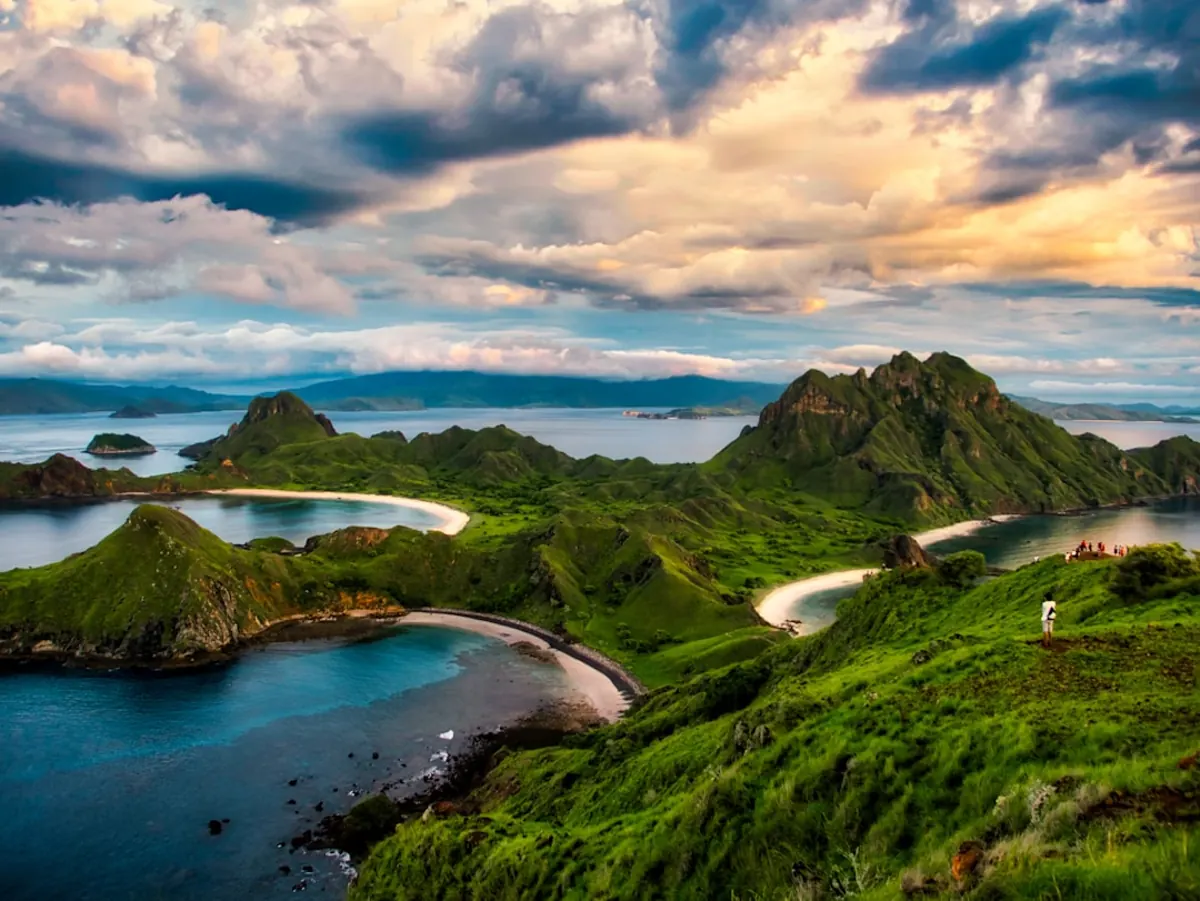
Komodo National Park, located in the Lesser Sunda Islands of Indonesia, spans roughly 1,733 square kilometers. Established in 1980 primarily to protect the Komodo dragon (Varanus komodoensis), the park has since been recognized for its exceptional biodiversity, both terrestrial and marine. This unique natural reserve is a culmination of volcanic formations, rugged hills, and pristine beaches, making it a critical area for conservation and a popular destination for ecotourism.
UNESCO World Heritage Status
Komodo National Park was designated as a UNESCO World Heritage site in 1991. This recognition stems from its exceptional natural beauty and the presence of unique species, especially the Komodo dragon, which is the world’s largest lizard. The park’s diverse ecosystems include savannahs, rainforests, coral reefs, and mangroves, supporting a wide range of flora and fauna.
UNESCO’s designation underscores the importance of preserving this unique habitat, which faces threats from human activities, climate change, and invasive species. The park’s management focuses on sustainable tourism practices to mitigate these threats while ensuring visitor enjoyment and education.
Unique Biodiversity
Komodo National Park is home to approximately 2,500 Komodo dragons, the largest lizards on Earth, which can grow up to 3 meters (10 feet) in length and weigh over 70 kilograms (150 pounds). These apex predators are known for their impressive hunting skills and venomous saliva, which helps them subdue prey.
In addition to the Komodo dragons, the park offers a remarkable range of wildlife, including:
- Over 1,000 species of fish
- 385 species of coral
- Various species of birds, including the endangered yellow-crested cockatoo
- Mammals such as the Timor deer and wild boar
The marine biodiversity is equally impressive, with vibrant coral reefs and a wealth of marine life, including manta rays, sharks, sea turtles, and numerous species of colorful reef fish. The waters surrounding the park are considered some of the best diving spots in the world.
Best Activities in Komodo National Park
Visitors to Komodo National Park can engage in a variety of activities that cater to different interests, including:
Diving and Snorkeling
The park is renowned for its rich underwater ecosystems. Popular diving spots include:
- Castle Rock – Known for its strong currents and diverse marine life.
- Manta Point – A hotspot for manta ray sightings.
- The Cauldron – Offers unique topography and vibrant coral gardens.
Snorkeling is also popular, with many shallow reefs easily accessible from the shore, allowing for close encounters with marine life.
Trekking and Wildlife Watching
For those interested in land-based activities, trekking on Rinca Island or Komodo Island is essential. Guided treks provide opportunities to observe Komodo dragons in their natural habitat and learn about their behavior and ecology. Trails vary in difficulty, accommodating both casual hikers and more adventurous trekkers.
Other wildlife, including various bird species and the unique flora of the region, can also be observed during these treks.
Island Hopping
Exploring the various islands within the park is an excellent way to experience the diverse landscapes and ecosystems. Padar Island, famous for its panoramic views and striking beaches, is a popular stop for travelers. Visitors can hike to the island’s peak for sweeping views of the surrounding islands and bays.
Travel Tips for Visiting Komodo National Park
To make the most of your trip to Komodo National Park, consider the following tips:
Best Time to Visit
The best time to visit the park is during the dry season, from April to December. This period offers ideal weather for outdoor activities, with minimal rainfall and calmer seas, making it perfect for diving and snorkeling.
Getting There
The primary gateway to Komodo National Park is Labuan Bajo, a small fishing town on Flores Island. Flights to Labuan Bajo are available from major Indonesian cities, and from there, tourists can arrange boat trips to the park. Liveaboard tours are also popular for those looking to dive or explore multiple islands.
Entry Fees
As of 2023, the entrance fee for Komodo National Park is approximately IDR 150,000 (around $10) for domestic tourists and IDR 600,000 (around $40) for international visitors. Additional fees may apply for specific activities, such as guided treks or diving excursions. To check the latest rates, see current rates.
Conservation Efforts
Conservation is a significant focus in Komodo National Park. Efforts include habitat restoration, anti-poaching patrols, and community engagement programs that aim to educate local populations about the importance of preserving the park’s unique ecosystems. The park management collaborates with various organizations to monitor wildlife populations and promote sustainable tourism practices.
Exploring the Wonders of Komodo National Park
For those seeking a truly singular experience, Komodo National Park offers captivating adventures from diving among its vibrant coral reefs to trekking paths where the legendary Komodo dragons roam. The park’s designation as a UNESCO World Heritage site underscores its worldwide importance and the critical need to protect its unique ecosystem. Ensure to check see current rates or see current rates for planning your visit.